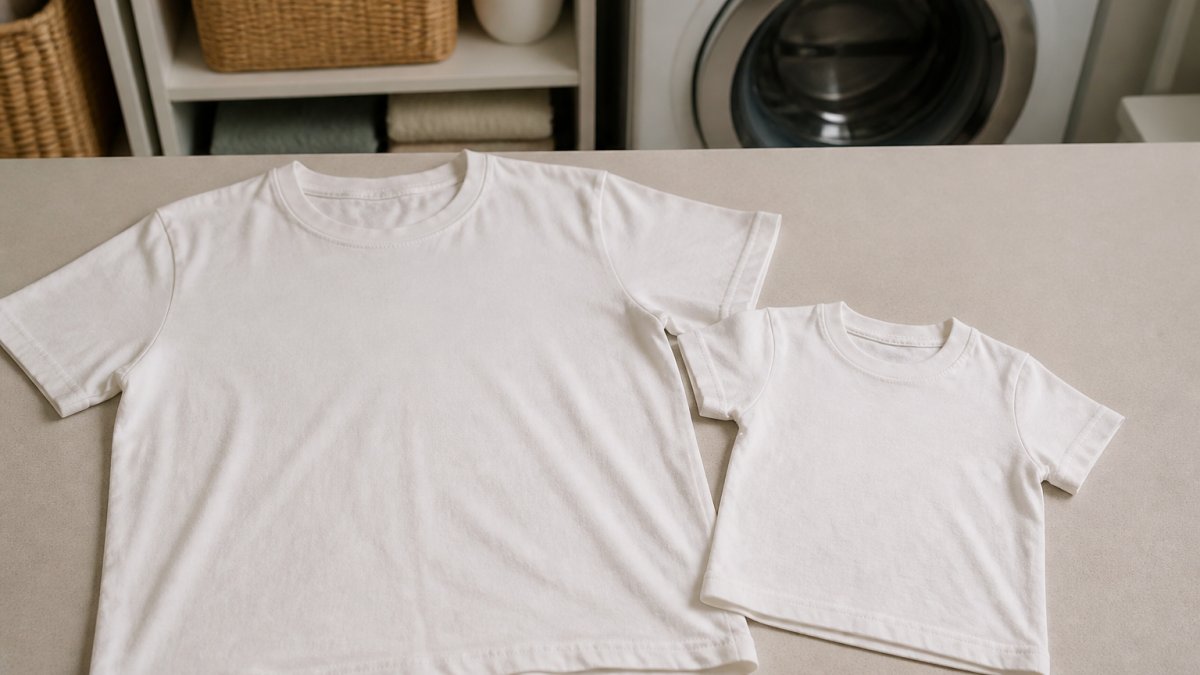
 how-to
Do 100% Cotton Shirts Shrink? A Guide to Prevention
Last Updated: October 23, 2026
Quick Summary
Yes, 100% cotton shirts shrink, but the amount varies widely depending on fabric construction, heat exposure, and whether the shirt is pre-shrunk or unshrunk. The primary cause is heat and moisture, which cause cotton fibers to contract, with the most dramatic shrinkage occurring during the first wash.
- Cotton begins to shrink at temperatures above 104°F (40°C), with hot water and high heat causing the most shrinkage.
- Cold water minimizes shrinkage dramatically and is the single most effective prevention step you can take.
- Unshrunk cotton typically shrinks 2-5% on the first hot wash and dry, while pre-shrunk cotton shrinks very little, often less than 1%.
- Air-drying is the safest drying option with minimal shrinkage risk, while high heat dryer permanently locks shrinkage in place.
- Washing inside out in cold water on a gentle cycle, then air-drying prevents approximately 95% of preventable shrinkage.
Table of Contents
- Do 100% Cotton Shirts Actually Shrink?
- What Temperature Does Cotton Shrink At?
- How to Wash 100% Cotton Shirts Without Shrinkage
- How to Prevent Cotton Shirts From Shrinking
- How to Shrink a Cotton Shirt on Purpose
- What to Do If Your Cotton Shirt Has Already Shrunk
- Pre-Shrunk Cotton vs. Unshrunk: What's the Difference?
- Frequently Asked Questions
Do 100% Cotton Shirts Actually Shrink?
Yes, 100% cotton shirts shrink, but the amount varies widely. Some cotton garments shrink noticeably while others barely change. At BaileysTeesAndMore, our customers want their holiday and graphic tees to fit perfectly wash after wash.
The key factor isn't whether cotton shrinks, it's understanding why, and then taking steps to control it. Cotton fibers are natural, and natural fibers respond to heat and moisture. That's the core reason behind the shrinkage.
Why Cotton Fabric Shrinks
Cotton shrinks because the fibers themselves contract when exposed to heat and moisture. The natural fibers tighten up. Think of it like a sponge, when wet and warm, the material relaxes.
The process happens most dramatically during the first wash. Unshrunk cotton has built-in tension from manufacturing, which is why 100% cotton shirts shrink most noticeably during the first wash.
Raw, unshrunk cotton can shrink significantly. Pre-shrunk cotton has already gone through this process at the factory, so it shrinks much less on your end.
Shrinkage Varies by Garment
Not all cotton shirts shrink equally. The construction of the fabric matters. A tightly woven shirt behaves differently than a loosely knit one.
Graphic tees with printed designs may shrink differently than plain shirts. The ink and printing process can affect how the fabric responds to heat. Dyed shirts sometimes behave differently too. The dye process alters the fibers slightly, which can influence shrinkage patterns.
Garment finishing also matters. How the shirt was cut, sewn, and finished at the factory affects how much room the fibers have to contract.
What Temperature Does Cotton Shrink At?
Cotton begins to shrink at temperatures above 104°F (40°C). The hotter the water and the hotter the dryer, the more shrinkage occurs. But temperature isn't the only factor, time and agitation matter too.
Hot Water and High Heat Dryer
Hot water and high heat from the dryer create the most shrinkage. This combination is the fastest way to shrink a cotton shirt intentionally.
The damage is done quickly. Hot water opens the fibers. High dryer heat locks them into their smaller shape permanently.
Repeated exposure to hot water and high heat compounds the problem. Each wash and dry cycle shrinks the shirt a little more. Over time, a shirt that started slightly small becomes unwearable.
Warm and Cold Water Cycles
Warm water causes moderate shrinkage. It's warmer than cold but cooler than hot, so the effect sits in the middle.
Cold water minimizes shrinkage dramatically. It's the safest choice for preserving fit. Cold water doesn't open the fibers the way warm or hot water does, so contraction is minimal.
The difference between cold and warm is noticeable. A shirt washed in cold water will retain its fit much better than one washed in warm water repeatedly.
How to Wash 100% Cotton Shirts Without Shrinkage
Preventing shrinkage comes down to controlling heat and agitation. Follow these steps to keep your shirts fitting right.
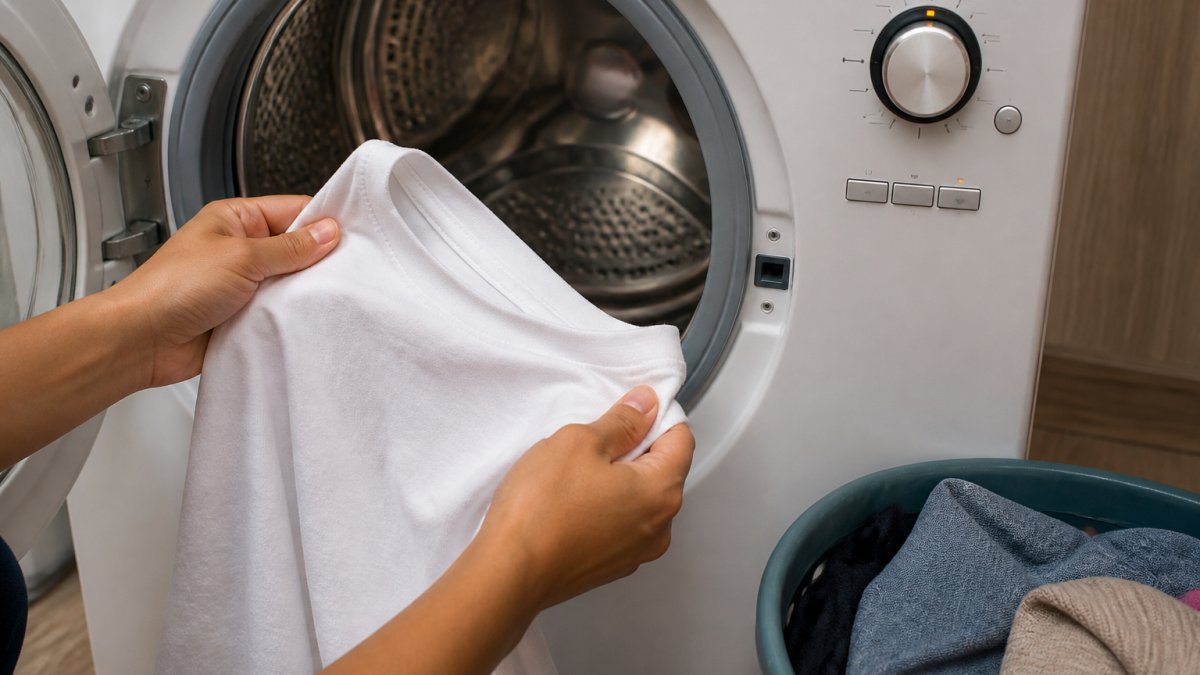
Step 1: Choose Your Water Temperature
Use cold water for every wash. Cold water is your best defense against shrinkage. Set your machine to the coldest setting available. The fibers stay tight and don't contract.
If cold water alone doesn't remove stains or dirt, use a pre-wash treatment instead. Soak the stained area in cold water with a stain remover before washing.
Avoid warm and hot water entirely for cotton shirts you want to keep at their original size. Save those settings for towels and bedding where minor shrinkage is acceptable.
Step 2: Select a Gentle or Normal Wash Cycle
Agitation causes friction between fibers, which can increase shrinkage. A gentle cycle uses less agitation and shorter wash times. This is ideal for graphic tees and delicate designs.
A normal cycle works fine for everyday cotton shirts in good condition. The key is avoiding heavy-duty or extra-agitation cycles, which are designed for heavily soiled items like work clothes.
Turn shirts inside out before washing. This protects printed graphics and reduces agitation on the visible side of the shirt.
Step 3: Dry Carefully
Air-drying is the safest option. Hang the shirt on a clothesline or lay it flat on a clean surface. No heat means no shrinkage. The shirt dries slowly, but it stays true to size.
If you must use a dryer, use the lowest heat setting. Remove the shirt while it's still slightly damp. Finish drying by air. This hybrid approach keeps heat exposure minimal.
Never use high heat on cotton shirts. High dryer heat locks shrinkage in place permanently. Once that happens, stretching won't fully restore the original size.
| Drying Method | Heat Exposure | Shrinkage Risk | Time Required |
|---|---|---|---|
| Air-dry flat | None | Minimal | 4-8 hours |
| Air-dry hanging | None | Minimal | 4-8 hours |
| Low heat dryer + air finish | Very low | Low | 30 minutes + 1-2 hours |
| High heat dryer | High | High | 30-45 minutes |
How to Prevent Cotton Shirts From Shrinking
Prevention is easier than fixing shrinkage after it happens. Start with the right approach from the first wash.
Before the First Wash
Check the care label. Pre-shrunk cotton has already been treated to minimize further shrinkage. Unshrunk cotton will shrink more on the first wash. Knowing which you have sets expectations.
Some manufacturers sanforize their cotton, a process that locks fibers in place and prevents shrinkage. Sanforized cotton shrinks very little, even with hot water and high heat.
Consider sizing up slightly if you're buying unshrunk cotton. A shirt that's one size larger will fit perfectly after the first wash shrinks it. This is common for vintage or specialty cotton tees.
During Washing and Drying
Wash in cold water every single time. This is non-negotiable for preserving fit. One hot wash can undo months of careful cold-water washing.
Use a gentle cycle. Less agitation means less stress on the fibers. The shirt gets clean without unnecessary friction.
Dry on low heat or air-dry completely. Heat is the enemy of cotton shirt fit. The longer you keep heat exposure low, the better your results.
Special Care for Graphic and Dyed Shirts
Graphic tees need extra care because the ink can be affected by heat and agitation. The printed design itself doesn't shrink, but the shirt underneath does.
Wash graphic shirts inside out every time. This protects the printed side from direct friction. Use cold water and a gentle cycle. Air-dry whenever possible.
Dyed shirts can bleed color in the first few washes. Wash dyed shirts separately from light-colored items. Use cold water to minimize dye bleeding.
How to Shrink a Cotton Shirt on Purpose
Sometimes you want a shirt smaller. A shirt that's too big, or one you want to fit more snugly, can be intentionally shrunk.
Using Hot Water and High Heat
Wash the shirt in hot water. Use a heavy-duty or extra-agitation cycle to maximize fiber stress. The combination of heat and agitation causes maximum shrinkage.
Dry on high heat. Don't remove the shirt early. Let it stay in the dryer until completely dry. The heat locks the smaller size in place.
Repeat if needed. One wash-and-dry cycle shrinks the shirt. A second cycle shrinks it more. Most cotton reaches its smallest size after 2-3 cycles, then stabilizes.
Expected Shrinkage Results
Unshrunk cotton typically shrinks 2-5% on the first hot wash and dry. This means a medium shirt might shrink enough to fit more like a small. The exact amount depends on the fabric construction.
Pre-shrunk cotton shrinks very little, often less than 1%. If you're trying to shrink a pre-shrunk shirt, you'll see minimal change even with hot water and high heat.
Repeated hot washes cause additional shrinkage of 1-2% per cycle. After 2-3 cycles, most cotton stops shrinking noticeably. The fibers have contracted as much as they're going to.
What to Do If Your Cotton Shirt Has Already Shrunk
Shrinkage isn't always permanent. Depending on how much the shirt shrank and how it was shrunk, you have options.
Stretching Techniques That Work
Wet the shirt with cool water. Don't soak it, just dampen it. Lay it flat on a clean towel. Gently pull the shirt to its desired size. Smooth it out so it dries evenly.
Another method: wear the damp shirt. Put on the slightly-too-small shirt while it's still damp from washing. Wear it for 20-30 minutes as it dries.
For minor shrinkage, these methods work reasonably well. The shirt won't return to its original size, but it often gets 50-75% larger again.
When Stretching Won't Help
Severe shrinkage, more than 10-15%, rarely responds to stretching. The fibers have contracted too much to relax back fully. At this point, the shirt is likely a permanent smaller size.
Repeated hot washes and high heat cause the worst shrinkage. This type of damage locks in so firmly that stretching provides minimal relief. The shirt may be better repurposed as a different size or donated.
Pre-Shrunk Cotton vs. Unshrunk: What's the Difference?
Pre-shrunk cotton has been treated at the factory to remove most of the tension in the fibers.
Unshrunk cotton retains the natural tension from manufacturing. It shrinks noticeably on the first wash, sometimes 3-5%.
Pre-shrunk is more convenient for most people. You buy it, wear it, and the fit stays consistent.
The care label will tell you which type you have. Look for "pre-shrunk" or "sanforized", these terms guarantee minimal shrinkage.
Cotton shrinkage is real, but it's controllable. Get started with our collection and enjoy comfortable, consistent-fitting shirts for every holiday and occasion.
Frequently Asked Questions
At what temperature does cotton shrink the most?
Cotton shrinks most at high temperatures. Hot water (above 130°F) combined with high-heat drying causes the greatest shrinkage. Most cotton shirts shrink 2-5% when exposed to hot water and tumble drying on high heat during the first wash. Cold or warm water with air-drying minimizes shrinkage significantly. Pre-shrunk cotton still responds to heat, though the effect is less dramatic than unshrunk fabric.
Do 100% cotton shirts shrink with every wash?
Most shrinkage happens during the first wash, especially if the shirt is unshrunk. Repeated washing with proper care (cold water, gentle cycle, air-drying) causes minimal additional shrinkage. However, continued exposure to hot water and high-heat drying can cause gradual shrinkage over time. Some cotton shirts show little to no noticeable change even after multiple washes, depending on fabric construction and finishing.
How do I prevent a 100% cotton shirt from shrinking?
Wash in cold or warm water using a gentle or normal cycle, and air-dry whenever possible. Turn the shirt inside out before washing to protect graphic designs and printed details. Avoid hot water and high-heat dryer settings. If you must use a dryer, select low heat or a delicate cycle. Check the care label for manufacturer guidance. Pre-shrunk cotton reduces shrinkage risk but doesn't eliminate it entirely with heat exposure.
Should I size up if a shirt is 100% cotton?
If you're ordering online and unsure about shrinkage, sizing up by one size provides a safety margin, especially for fitted styles. However, this depends on the specific garment's construction and your drying method. If you plan to air-dry your shirt, you can order your normal size since shrinkage will be minimal. Always review the product's care instructions and sizing details before ordering.