 blog
How to Choose the Best Cotton Graphic Tees for Kids
Last Updated: October 26, 2026
Quick Summary
Cotton graphic tees for kids offer comfort, durability, and style that synthetics struggle to match. The best choice depends on your priorities: choose 100% pre-shrunk cotton for everyday softness on a budget, organic cotton with OEKO-TEX certification for sensitive skin, Pima cotton for longevity, or cotton-polyester blends for low maintenance and wrinkle resistance.
- 100% cotton is soft and breathable but shrinks unless pre-shrunk; organic cotton behaves similarly but is grown without synthetic pesticides.
- Pima cotton has longer fibers for less pilling and better shape retention but costs more; cotton-poly blends resist shrinkage and wrinkles but feel warmer.
- Screen-printed graphics with water-based inks feel softer and more flexible than plastisol inks, which can crack and feel stiff after washing.
- Measure chest circumference and body length, then compare to the brand's specific size chart rather than age ranges; size up when between sizes.
Table of Contents
- What Makes Cotton Graphic Tees the Right Choice for Kids
- Understanding Organic Cotton Kids Graphic Tees and Why Quality Matters
- Fabric Types: 100% Cotton vs. Cotton Blends for Everyday Wear
- Kids' Graphic Tee Sizing: Getting the Fit Right for Active Play
- Durability Features That Survive Playground Wear and Frequent Washing
- How to Wash Kids' Graphic Tees Without Fading Prints or Shrinking Fabric
- Graphic Designs That Kids Actually Want to Wear
- Finding Your Family's Perfect Fit at BaileysTeesAndMore
- Frequently Asked Questions
What Makes Cotton Graphic Tees the Right Choice for Kids
Cotton graphic tees for kids offer comfort, durability, and style that synthetics struggle to match. A scratchy shirt gets pushed to the back of the closet, while one that breathes and survives repeated washing becomes a favorite.
Fabric choice affects how long a shirt lasts and how often your child wears it. Cotton graphic tees for kids are soft enough for sensitive skin, breathable enough for active play, and sturdy enough for the playground and the washing machine.
Understanding Organic Cotton Kids Graphic Tees and Why Quality Matters
Organic cotton kids graphic tees offer a step up in comfort and environmental impact.
Organic cotton goes through fewer chemical treatments, preserving the fiber's natural properties. Kids wearing organic cotton graphic tees often report fewer itching issues, and the fabric feels softer from the first wear.
How the graphic is applied matters too. Screen-printed graphics on quality cotton hold color and flexibility through repeated washing, while cheaper methods crack, fade, or feel stiff.
Fabric Types: 100% Cotton vs. Cotton Blends for Everyday Wear
Here's how the four fabrics parents encounter most often compare on softness, breathability, durability, care, and print performance.
The Four Fabrics You'll See Most
100% conventional cotton. Soft, breathable, absorbs moisture well, and takes screen-printed graphics cleanly.
100% organic cotton. Grown without synthetic pesticides or fertilizers under USDA organic certification rules.
Pima cotton (and Supima, its licensed U.S. trademark). Longer staple fibers create a smoother, stronger yarn: less pilling, a silkier hand, and better shape retention.
Cotton-polyester blends (commonly 60/40, 70/30, or 80/20). Polyester adds strength, reduces shrinkage, resists wrinkles, and keeps prints flexible.
Side-by-Side Comparison
| Factor | 100% Cotton | Organic Cotton | Pima Cotton | Cotton-Poly Blend |
|---|---|---|---|---|
| Softness (first wear) | Good | Good | Excellent | Good |
| Softness after many washes | Improves | Improves | Stays high | Stable |
| Breathability | High | High | High | Moderate |
| Shrinkage risk | Moderate unless pre-shrunk | Moderate unless pre-shrunk | Lower | Low |
| Pilling resistance | Moderate | Moderate | High | High |
| Wrinkle resistance | Low | Low | Moderate | High |
| Print durability | Good | Good | Excellent | Excellent |
| Typical care needs | Cold wash, low dry | Cold wash, low dry | Cold wash, low dry | Cold wash, low dry |
| Relative cost | $ | $$ | $$$ | $ |
Use the table as a starting point, not a verdict. A well-made pre-shrunk, double-stitched 100% cotton tee will outperform a cheap Pima shirt with poor construction.
What to Check on the Label and Beyond Fabric
Fabric composition is only part of the story. Parents concerned about skin sensitivity and print safety should check for these signals:
- OEKO-TEX Standard 100 certification means the finished garment has been tested for harmful substances against a published limit list.
- GOTS (Global Organic Textile Standard) certification covers processing, dyes, and social criteria. A shirt labeled "organic" without certification may still be conventional cotton with a marketing claim.
- Water-based inks feel softer and breathe better than plastisol inks, which sit on top of the fabric and can feel stiff.
- Tagless neck labels reduce itching for kids sensitive to scratchy tags.
Matching Fabric to Your Priorities
- Maximum everyday softness on a budget: pre-shrunk 100% cotton.
- Sensitive skin and chemical exposure concerns: GOTS-certified organic cotton with OEKO-TEX testing and tagless labels.
- Longevity and hand-me-down durability: Pima or Supima cotton, or a quality cotton-poly blend.
- Low maintenance and wrinkle resistance: cotton-poly blend in the 60/40 to 80/20 range.
- Hot-weather active play: 100% cotton or organic cotton for maximum breathability.
There's no single best fabric, only the best fabric for your child's skin, your laundry habits, and your budget.
Kids' Graphic Tee Sizing: Getting the Fit Right for Active Play
Sizing is where most parents lose money and patience. Kids grow at different rates, brands cut shirts differently, and a size chart alone rarely tells you whether a shirt will fit next month.
How to Measure Your Child
You need two measurements and a soft measuring tape.
- Chest circumference. Wrap the tape around the fullest part of the chest, just under the arms, level and snug but not tight. Have your child breathe normally.
- Body length. Measure from the base of the neck straight down to where you want the hem to sit, usually the top of the hip bone for a standard fit.
Compare both numbers against the brand's size chart, not your child's age.
How to Read a Kids' Size Chart
Most kids' tee size charts list chest measurement and body length per size, sometimes alongside an age range. The age range is the least reliable column, a tall 6-year-old and a petite 8-year-old can wear the same size. Trust the measurements.
A common pattern across brands:
- Toddler sizes (2T-5T) typically correspond to chest measurements in the low-to-mid 20-inch range, with body length increasing roughly an inch per size.
- Youth sizes (XS-XL, sometimes labeled 4-18) step up in chest circumference by about 2 inches per size, with body length increasing about 1 to 1.5 inches per size.
- Adult XS or S often fits older teens and some tweens, depending on build.
Ranges vary by manufacturer, so always use the specific brand's chart. If it lists both a "fits chest" range and a "garment chest" measurement, compare your child's chest to the garment chest and add 2 to 4 inches for a comfortable, active-play fit.
Choosing Between Sizes
When your child falls between two sizes, weigh three factors:
- Shrinkage. Pre-shrunk or sanforized cotton should shrink less than about 5% in length and width. If the shirt isn't pre-shrunk, size up.
- Growth rate. Toddlers and early elementary kids can grow a full size in six to nine months. Buying for a season rather than a single event? Size up.
- Fit preference. A relaxed fit is generally more comfortable for active play and accommodates layering in cooler months.
Toddler Sizing Notes
Toddler sizes (2T-5T) have more room in the torso and shorter sleeves than youth sizes. If your toddler tops out the range, check whether the brand offers a youth XS, it may fit better than a 5T for taller kids. Snap shoulders or envelope necks make dressing easier.
Fit Details That Affect Comfort
- Shoulder seam placement. The seam should sit at or just past the edge of the shoulder, not halfway down the arm.
- Sleeve length. Short sleeves should end mid-bicep; if they reach the elbow, the shirt is likely a size too big.
- Hem length. The hem should cover the waistband when arms are raised. If it rides up, size up.
- Neck opening. Your child's head should pass through without tugging. A slightly wider neck is easier for kids who dislike tight collars.
Using Reviews and Fit Notes
Brand fit notes and customer photos beat the size chart alone. Look for reviews mentioning your child's height and weight alongside the size purchased, a real-world calibration point.
Measure once, compare against the specific brand's chart, and size up when between sizes, that three-step approach prevents most fit problems with kids' graphic tees.
Durability Features That Survive Playground Wear and Frequent Washing
Durability separates a shirt that lasts one season from one that survives multiple children.
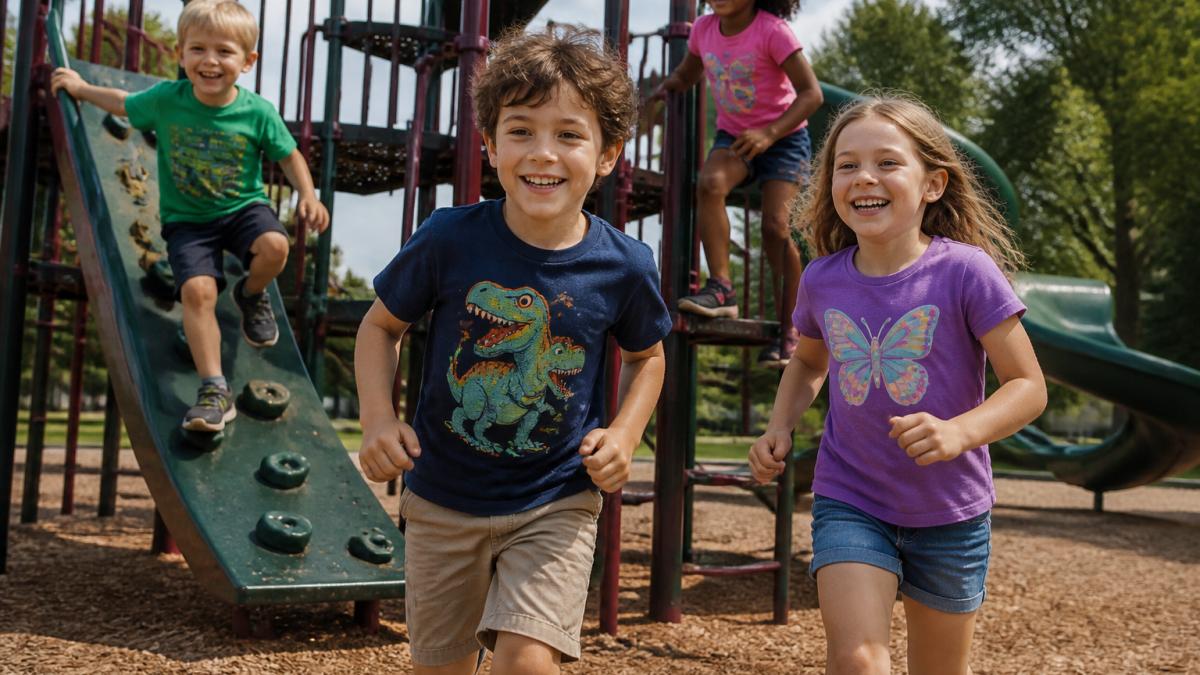
Seam construction matters more than most parents realize.
Graphic durability is equally important. Screen-printed graphics should feel slightly raised but not stiff.
Fabric weight also indicates durability. Heavier cotton (measured in ounces per square yard) resists pilling and holds its shape better.
For long-term durability, consider how to care for your cotton graphic tees to prevent shrinkage and fading.
How to Wash Kids' Graphic Tees Without Fading Prints or Shrinking Fabric
Washing method directly impacts how long a graphic tee lasts.
Turn graphic tees inside out before washing to protect the print from friction against other clothes and the drum.
Choose a gentle or delicate cycle, kids' graphic tees need gentle cleaning, not aggressive agitation, which stresses fabric and seams.
Dry on low heat or air dry. High heat accelerates shrinkage and can damage the print.
Avoid fabric softener and bleach.
Graphic Designs That Kids Actually Want to Wear
A comfortable shirt your child refuses to wear wastes time and money.
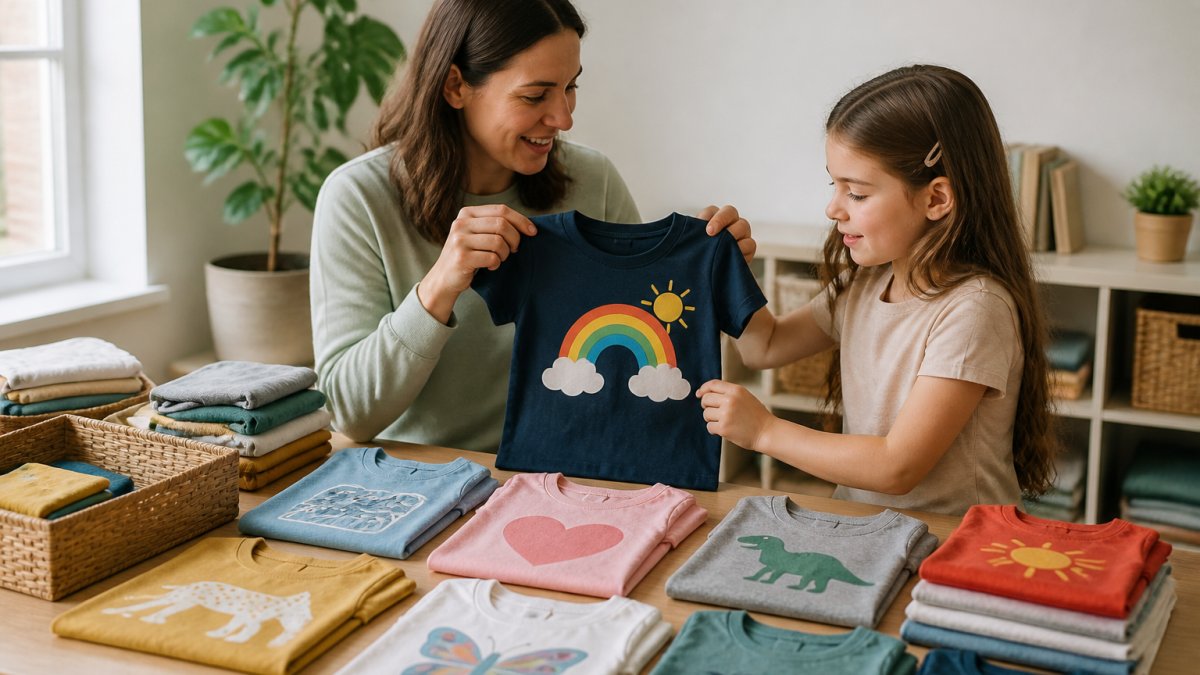
Kids' interests shift quickly, a dinosaur-obsessed 5-year-old becomes a sports fan by age 8.
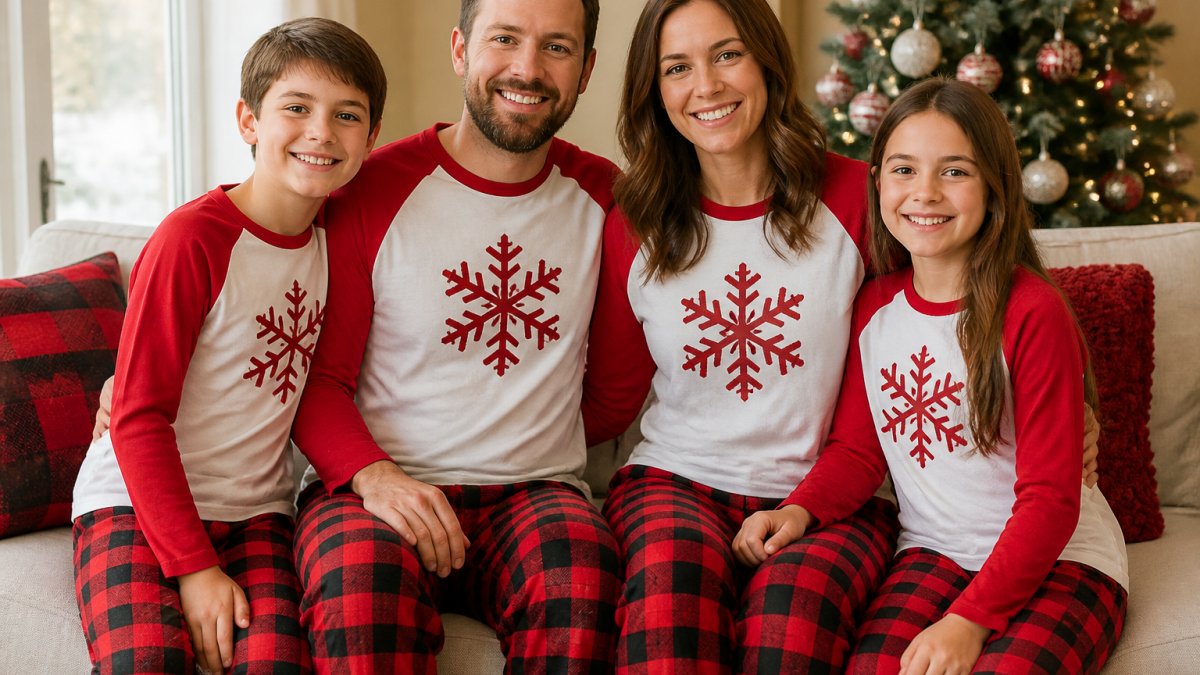
Seasonal and holiday-themed graphic tees for kids are perennial favorites.
Design quality matters too. Poorly designed graphics look cluttered or awkwardly positioned; the best kids' graphic tees feature simple, bold designs.
Consider your child's preferences alongside practicality.
Finding Your Family's Perfect Fit at BaileysTeesAndMore
Choosing the best cotton graphic tees for kids comes down to matching fabric quality, fit, durability, and design to your family's needs.
Our collection features pure cotton for maximum softness and cotton blends for durability. Every shirt includes detailed sizing information and fabric specifications.
The real test of a great graphic tee is whether your child reaches for it repeatedly and whether it holds up through months of play and washing.
Frequently Asked Questions
What is the best fabric for kids' graphic tees?
100% cotton graphic tees offer the best balance of breathability, softness, and comfort for kids' everyday wear and active play. Cotton allows skin to breathe and feels gentle against sensitive skin. However, cotton-polyester blends (typically 80/20 or 70/30) add durability and reduce shrinkage, making them practical for frequent washing. Organic cotton provides a premium option for parents prioritizing chemical-free materials, though standard cotton remains widely available and affordable.
Are organic cotton kids graphic tees worth the investment?
Organic cotton kids graphic tees are worth considering if your family prioritizes chemical-free clothing and environmental impact. Organic cotton is grown without synthetic pesticides or fertilizers, making it gentler for sensitive skin and better for the environment. The trade-off is higher cost compared to conventional cotton. For most families, conventional 100% cotton or cotton blends deliver excellent comfort and durability at lower price points. Your choice depends on your priorities and budget.
How do you wash kids' graphic tees without fading the print?
Turn graphic tees inside out before washing to protect the printed design from friction and direct water contact. Wash in cold water on a gentle cycle, and avoid bleach or harsh detergents that fade colors. Air-dry whenever possible instead of using high heat in the dryer, which can damage both the fabric and the print. If machine drying is necessary, use low heat. Pre-shrink tees by following care instructions before the first wear to prevent sizing issues after washing.
How should a graphic tee fit a child?
A well-fitting kids' graphic tee should allow room for movement without being oversized. The hem should sit at the hip or slightly below, and sleeves should reach the middle of the upper arm. Check that the neckline doesn't pull or gap, and ensure the shirt isn't too tight across the chest or shoulders, which restricts play and comfort. Many kids' graphic tees come in toddler, youth, and big-kid sizes; refer to detailed size charts provided by retailers to account for height and chest measurements specific to your child's age and build.
Choosing quality cotton graphic tees for kids requires balancing comfort, durability, and design. The right shirt becomes a favorite your child actually wants to wear, then survives long enough to pass down or resell. BaileysTeesAndMore helps families find that perfect balance with pre-shrunk, durable graphic tees in seasonal designs that bring families together. Browse our collection to find your next favorite, and get started with BaileysTeesAndMore today.